Route index

Route builderContextsConversation rehearsalField notesContact
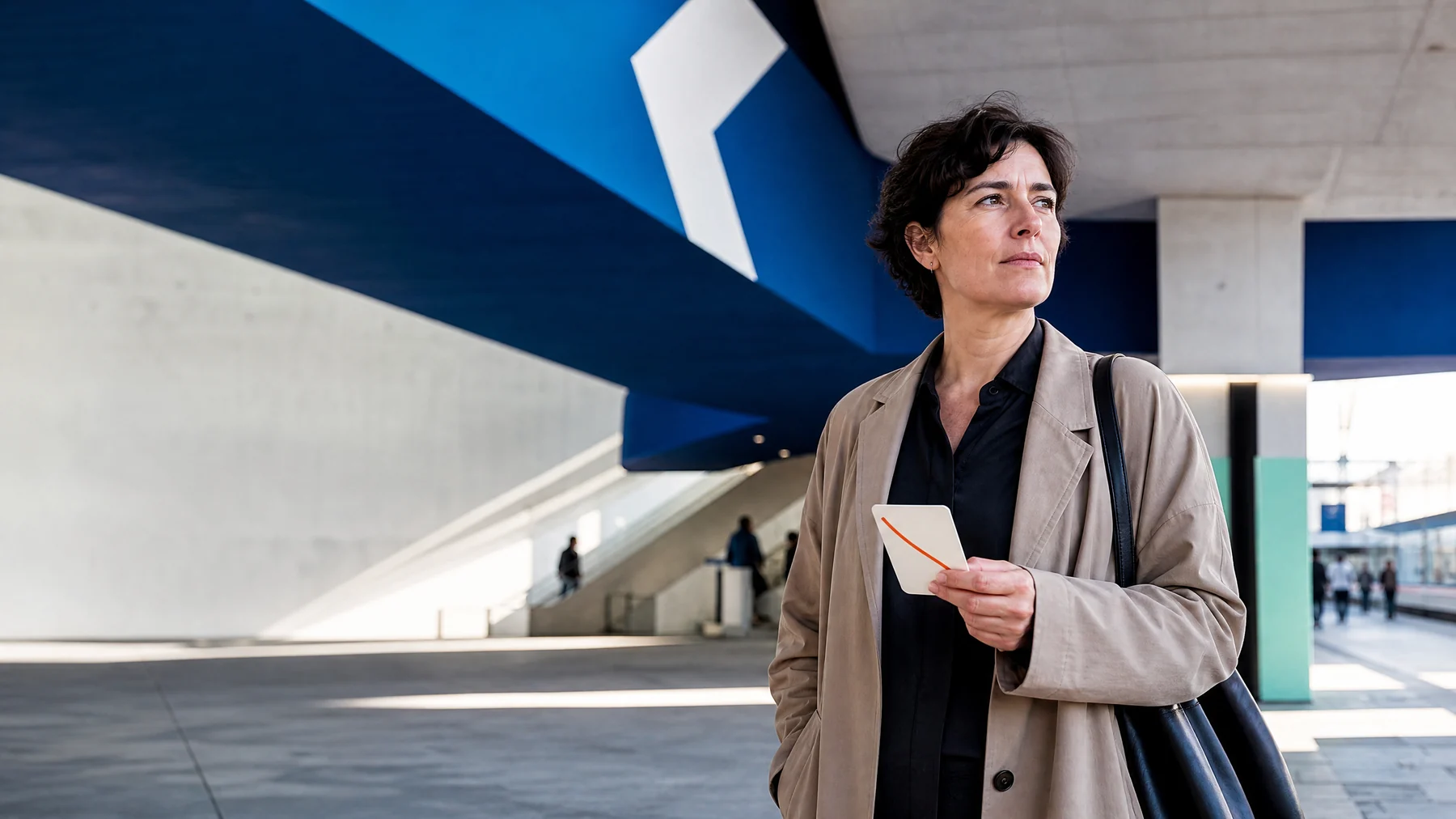
Professional holding a route card in a city transit concourse

ROUTE / 01 · CAREER ORIENTATION

Take the route that gives you new evidence.

Career coaching and mentoring for people who need to investigate a professional direction in the real world—not announce one too early.

Observe the contextSpeak to a person inside itRecord the evidence
STARTFIELD QUESTIONCONTEXT WALKNEXT MOVE
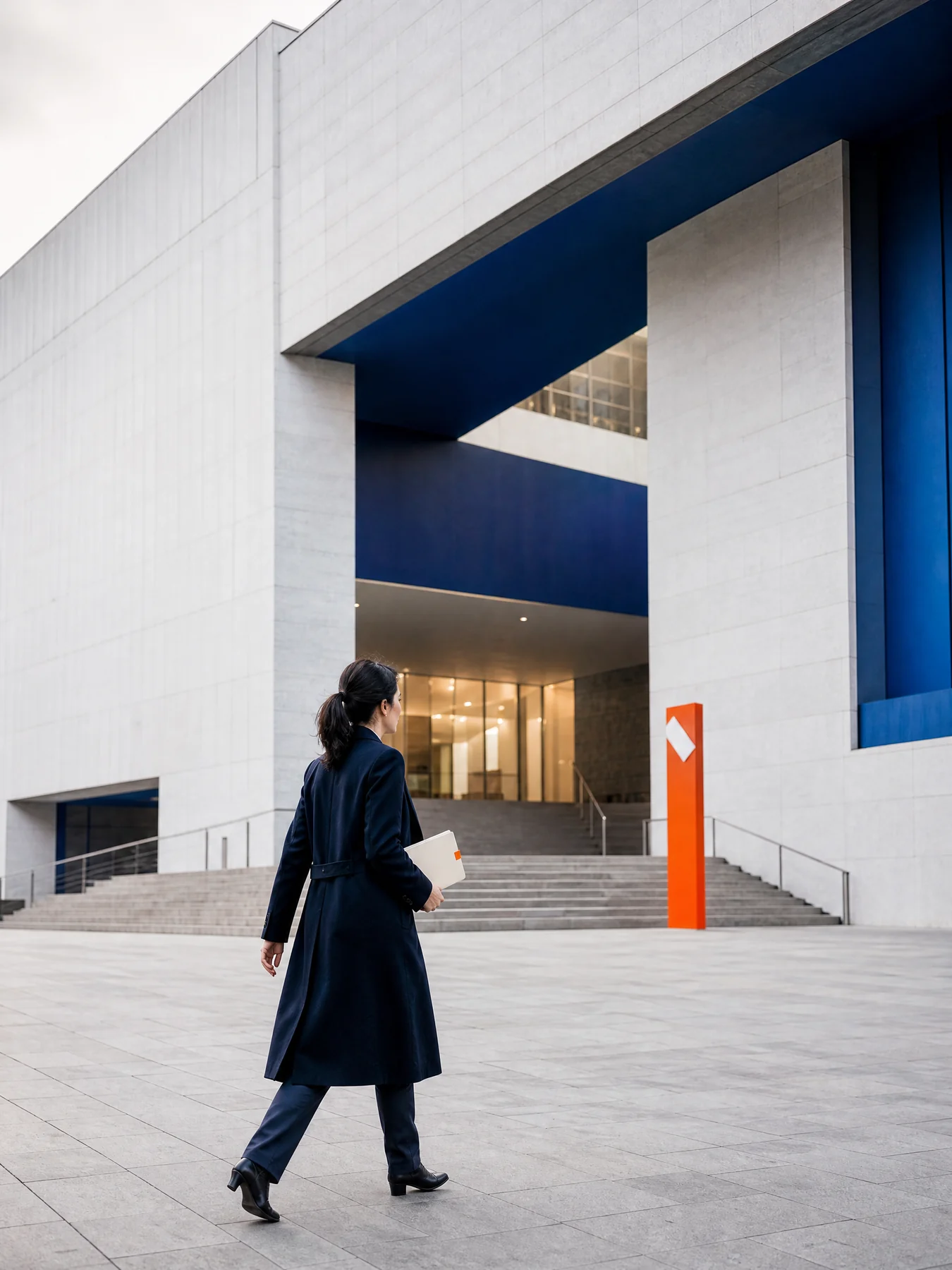
Professional crossing a civic plaza toward a modern building
Threshold / A route begins in a real setting.

Orientation before certainty

Your next role is partly a place to investigate.

A title cannot describe the whole route. We begin with the environments, relationships, constraints and useful work that make a professional direction plausible.

01
Locate the live question

What changed in your current work, and where does the question show up most clearly?
02
Find adjacent contexts

Which places or teams already contain a version of the work you want to understand?

03
Make a small visit

Use one conversation, contribution or observation to exchange assumption for evidence.

Route builder

Assemble a route—not a personality label.

Choose the current point, the kind of evidence you can collect and the movement you need. The route card provides one field experiment and one limit to protect against overclaiming.

SHIFT / PEOPLE / OBSERVE

Watch the work before you rename yourself.

Arrange one short observation conversation with a person who can describe the pressures, handoffs and decisions behind the role.

Field question

“Where does professional judgement become visible in an ordinary week?”

Route limit

One conversation is evidence, not a promise of fit.

Tablet, route map, transit tickets and notebook on a desk
Route object / Keep the question portable.

Observation conversations

Ask for the working conditions, not the polished summary.

A useful mentoring conversation opens up how a role is performed: the handoffs, ownership, pace, feedback and decisions that a public role description cannot show.

“What part of this work takes more judgement than people outside the role expect?”
Rehearse the conversation
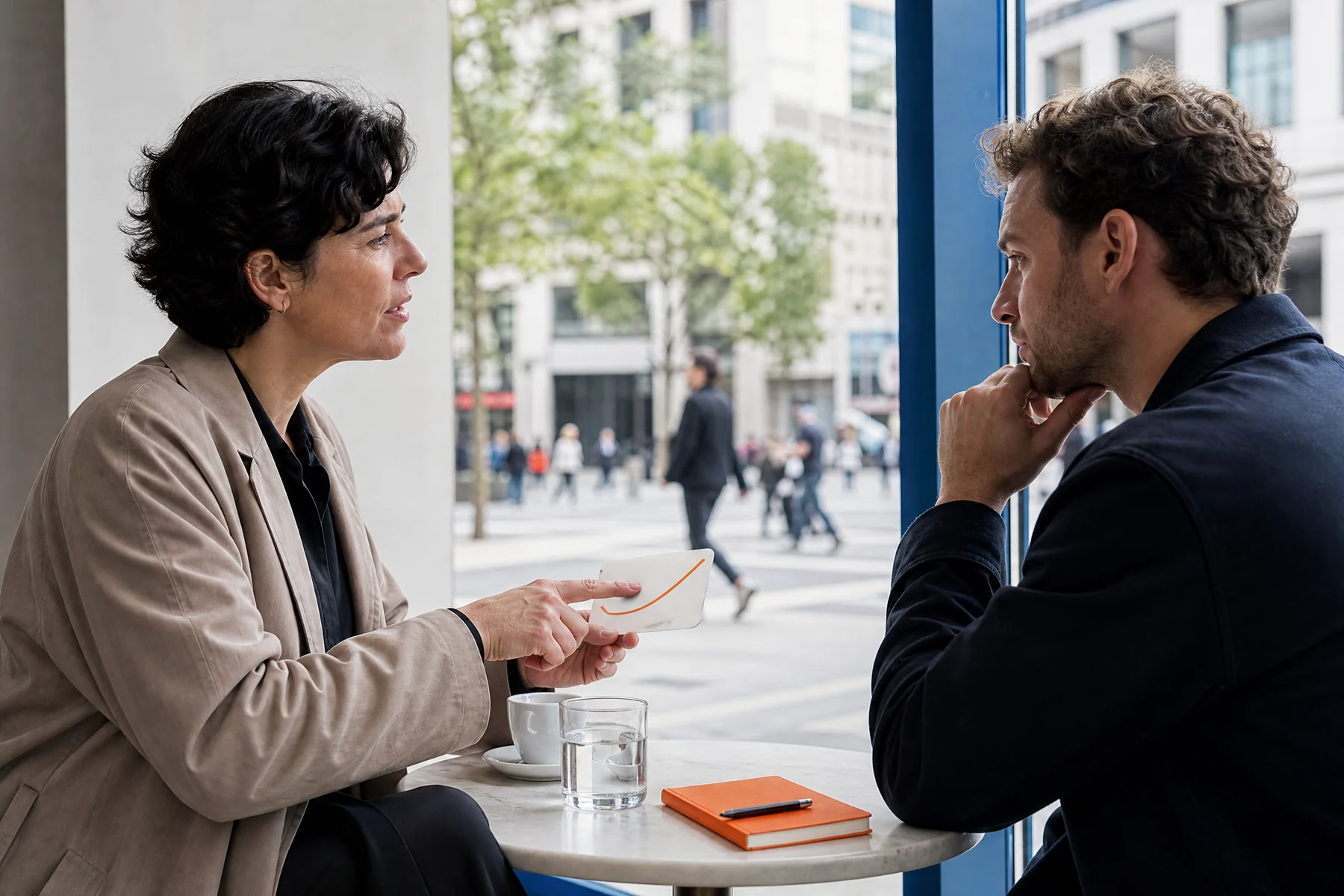
Two professionals having a career observation conversation at a cafe table
Conversation / Public place, useful question.

Context map

Read the signal beside the setting.

Choose a lens. Each field ticket holds a context, a question and a small evidence move. Selected tickets expand rather than collapsing into a tiny card.
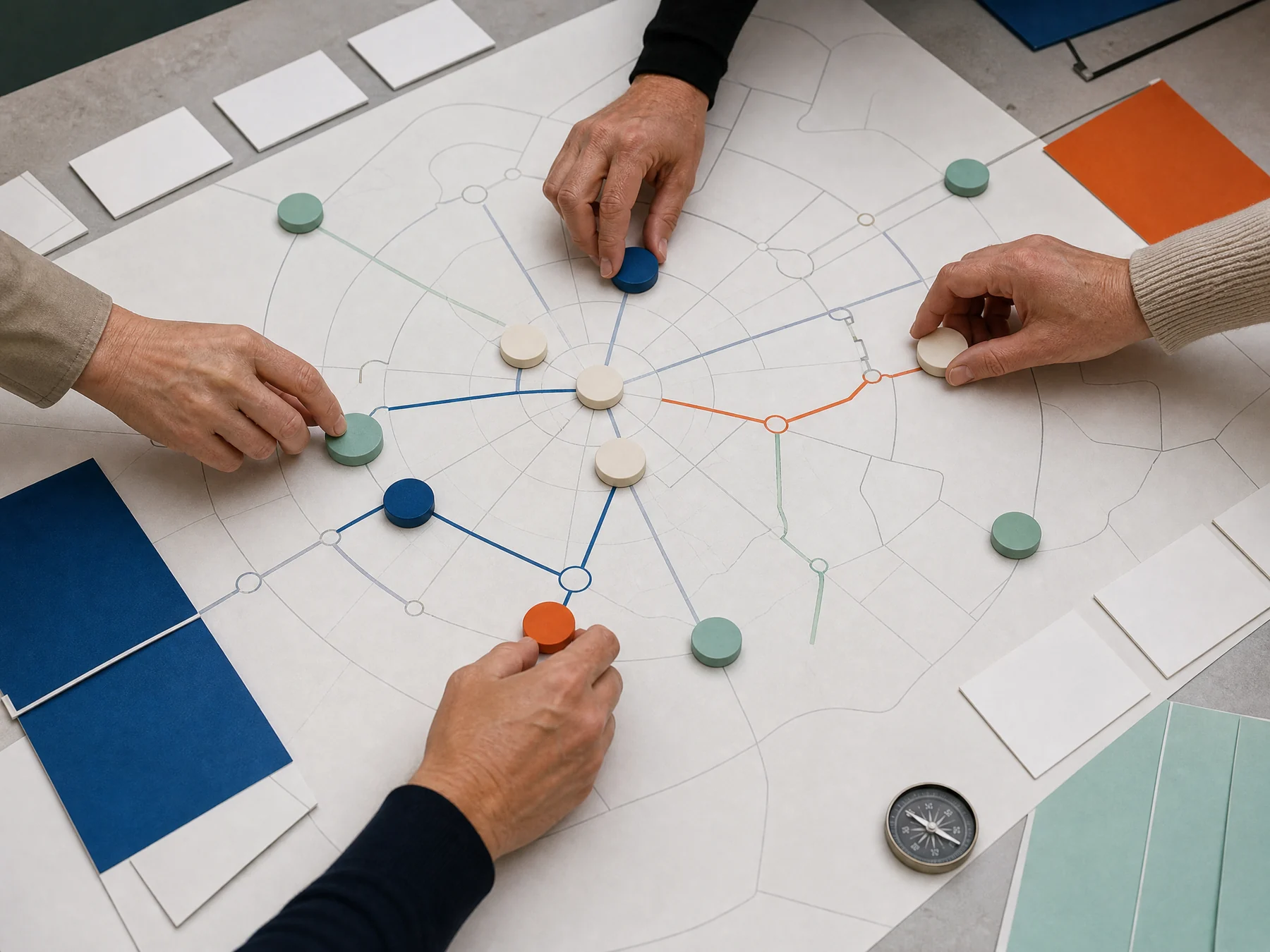
Hands mapping a career route with tokens on a large paper map
FIELD TICKET / 01

Map the responsibility that travels across projects.

Find the contribution that stays valuable when the subject, stakeholder or team changes.

  • Trace one decision you repeatedly make.
  • Ask what information it requires.
  • Record the context that lets it matter.
Professional observing a makerspace workshop
FIELD TICKET / 02

Visit a setting, not just a job page.

Notice pace, space, tools and access to feedback before treating a role as transferable.

FIELD TICKET / 03

Follow the people who make the work legible.

Relationships reveal what is trusted, where decisions live and how learning actually occurs.

Context is career information.
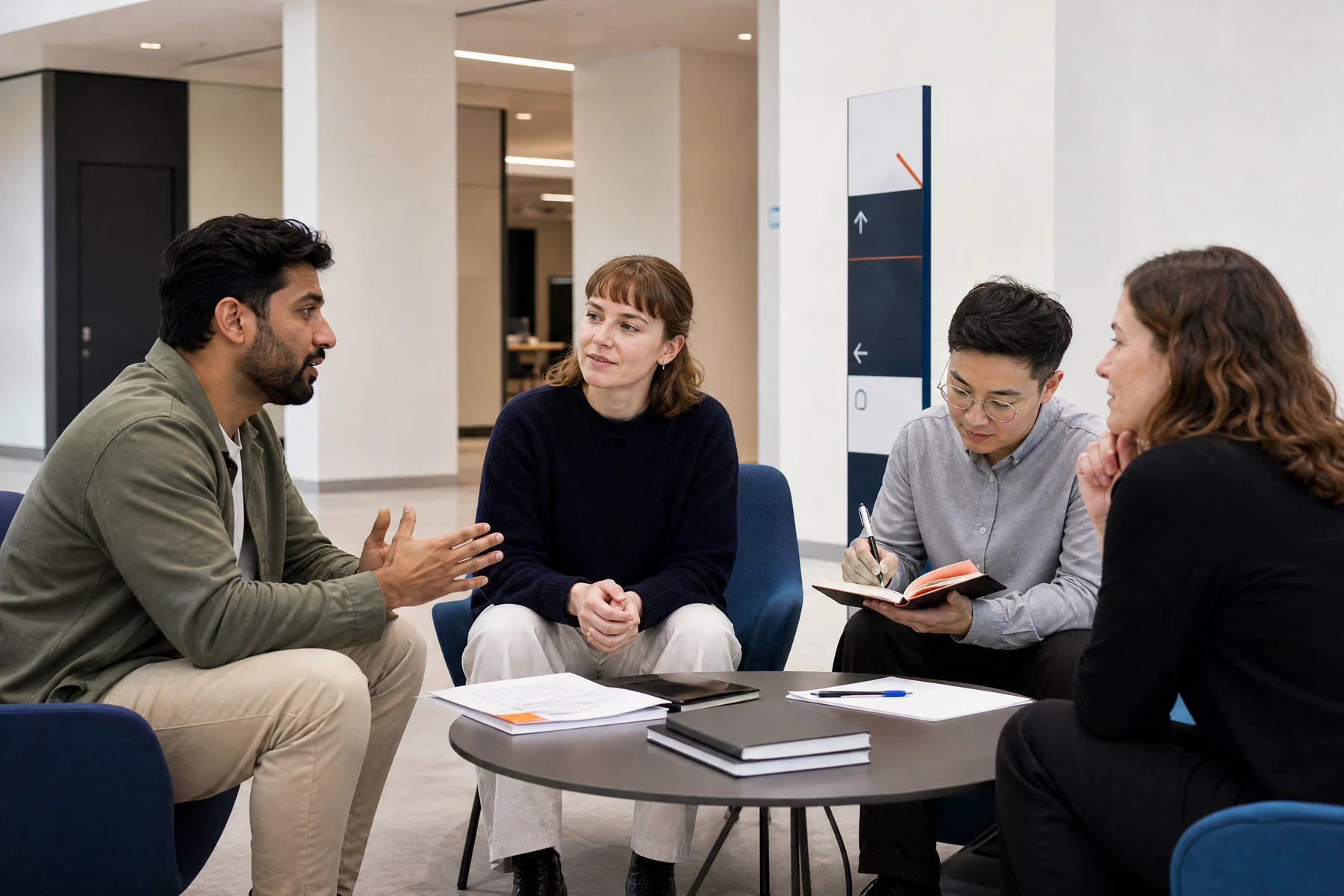
Small group rehearsing a career transition conversation
Rehearsal / Say the question before the stakes rise.

Conversation rehearsal

Move from introduction to a useful request.

Use the route stages to prepare a conversation without turning it into a performance. Each stop gives a purpose, a grounded line and a practical exit.

STOP 01 / OPEN

Name the question before naming the answer.

Start with the work moment that made your direction feel live. It gives the other person something concrete to answer.

“I am trying to understand where this kind of work is useful beyond my current setting.”

Next-step exchange

Leave with a move small enough to learn from.

Toggle the route concern. The exchange returns a bounded professional action, the evidence to keep and the claim to avoid.

ROUTE / DIRECTION

Compare two nearby contexts through the same question.

Meet one person in each setting and ask how the work is handed off, assessed and improved. Keep the questions constant.

Keep
The difference you observed in real work.
Avoid
Treating access to one person as proof of a career destination.
Two people reviewing an abstract next-step route plan
Next step / Agreement about what to test.

Field notes

Keep questions in reach between conversations.

Search the briefing notes or open one route note. They explain how career coaching, mentoring and fieldwork are approached without promising a predetermined destination.

We identify the live career question, inspect the evidence already available and choose a real-world context worth observing. The outcome is a field route, not a fixed professional verdict.

No. Qexudalim supports orientation, mentoring conversations, professional storytelling and practical next-step experiments. It does not guarantee interviews, placement, promotion or income.

Bring a live question, a work sample you are permitted to discuss, feedback, a role description or an account of a context you want to understand. Do not submit confidential material.

A useful story connects setting, task, constraint, judgement and contribution. Rehearsal is used to make claims more specific—not to manufacture a persona.

A manager may ask about a development conversation, but the participant’s career reflections remain voluntary. Scope, participation and any record are clarified before a session begins.

Enquiry point

Bring the context, not a finished answer.

Share the question, the work or setting you can discuss and the kind of next move you want to investigate. An enquiry is not a booking, diagnosis or outcome guarantee.
Enter your name.
Enter a valid email.
Choose a route focus.
Name a context.
Describe the question.
Consent is required.
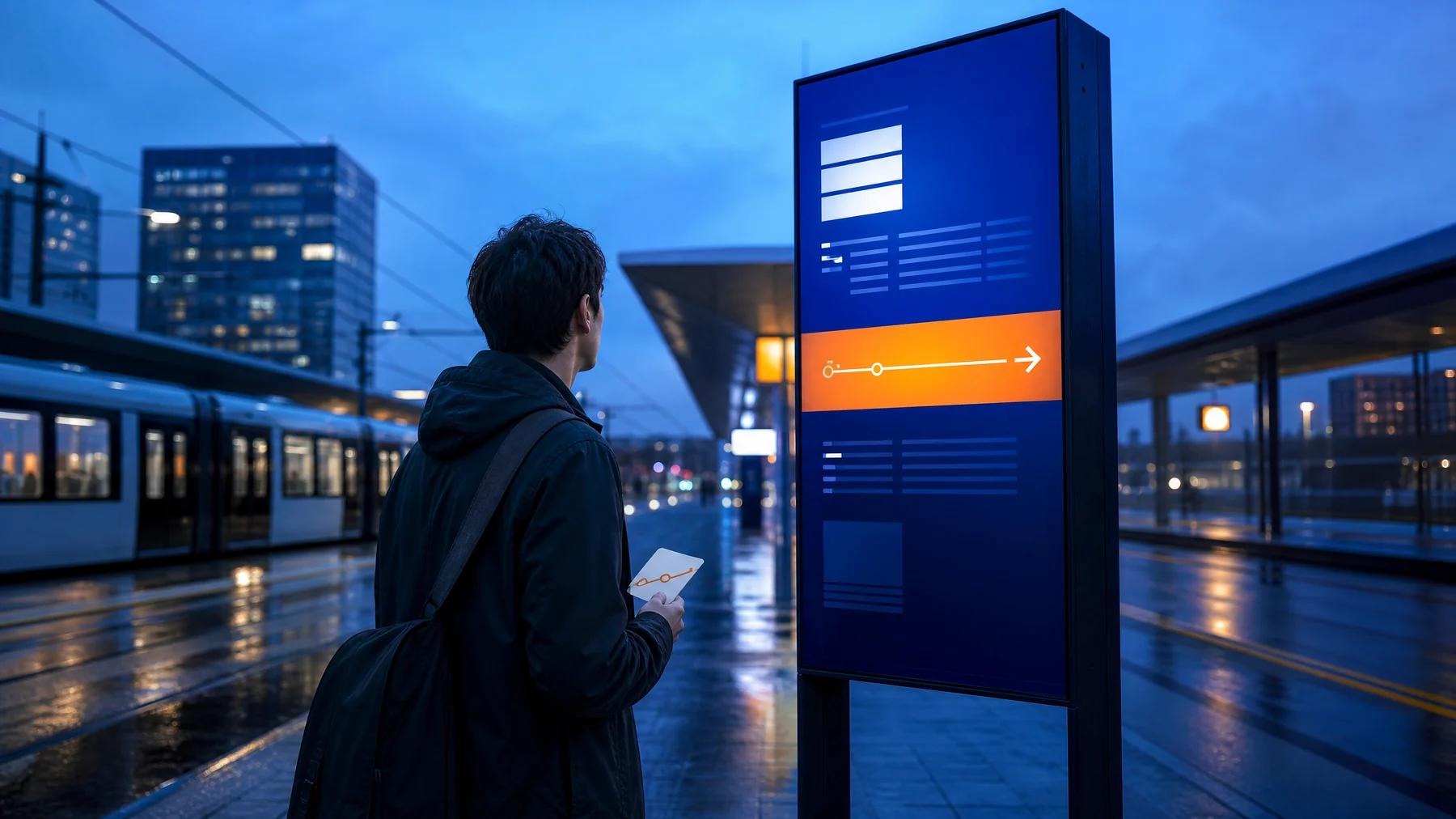
Person beside a blue and orange wayfinding sign at a transit platform at blue hour

RETURN / AFTER THE ROUTE

One observed route is enough for the next page.

Return to route start